
What is a cystolitholapaxy?
This is the procedure we use to treat bladder stones.
What are bladder stones?
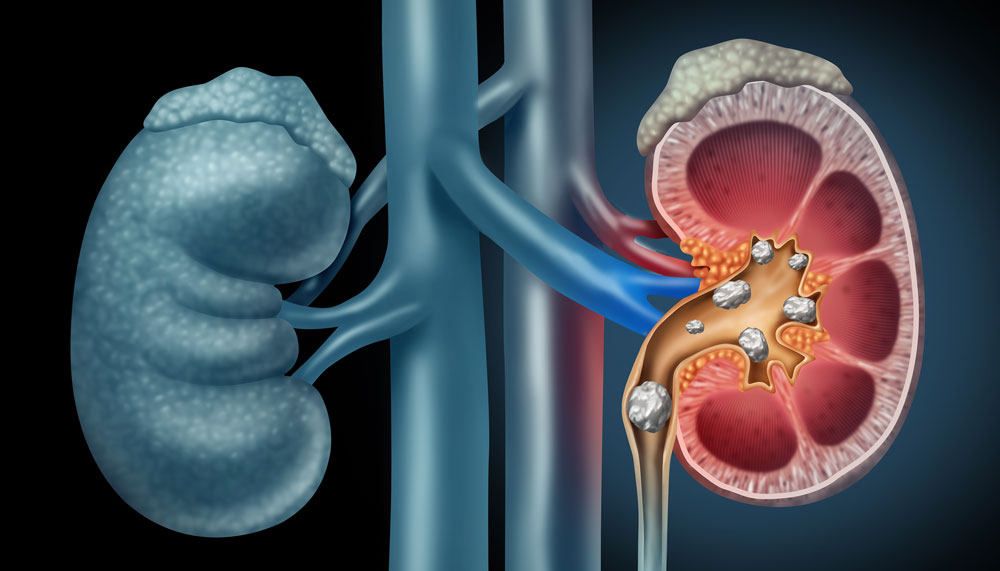
Bladder stones are small deposits of minerals that can be found within the bladder. They are normally formed when patients are unable to completely empty their bladder when going to the toilet. Frequently, if small enough, these stones can be passed when urinating and many patients may not experience any symptoms from them at all. However, some patients can feel quite a lot of discomfort if their bladder stones are irritating the lining of the bladder or blocking the flow of urine. Alternatively they may pass blood in the urine and suffer from recurrent infections.
What are the symptoms of bladder stones?
Bladder stone symptoms include but are not limited to:
- Abdominal pain
- Discoloured urine
- Blood in the urine
- Difficulty urinating
- A frequent urge to urinate
- Interrupted flow of urine
- Urinary tract infections
How does the treatment work?
During a cystolitholapaxy, the urology surgeon will use a small camera to view inside the bladder via the urethra. This camera is known as a cystoscope. The images transmitted from the camera will allow the surgeon to accurately identify where the troublesome bladder stones are situated. Once located, these stones can then be destroyed using a number of techniques including lasers and ultrasound waves which break the stones up into small fragments. These smaller fragments can then be passed easily during urination.